USPS’s New Postmark Reality: What Taxpayers Need to Know
For decades, taxpayers relied on a simple and reassuring rule: if you mailed your tax return or payment by the filing deadline, the IRS considered it filed on time.
However, recent practices at the United States Postal Service (USPS) have changed how mail is processed—and that change can create unexpected issues for taxpayers who rely on last-minute mailing.
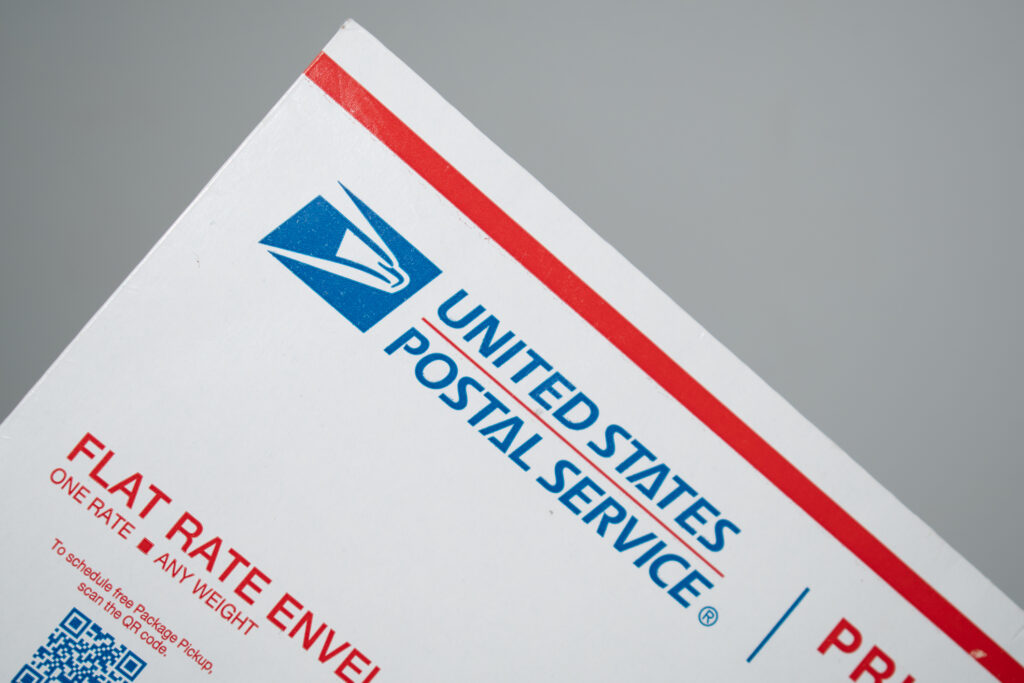
Why Mailing on the Deadline May No Longer Work at USPS
n the past, your local post office typically applied the postmark to your envelope the same day you dropped it off.
Today, USPS often applies postmarks at regional processing centers rather than at local post offices. These centers may be many miles away, and reduced transportation schedules can sometimes delay mail as it moves through the system.
The result? A return you drop off on April 15 might not receive a postmark until April 16 or later. Even though you mailed it on time, the Internal Revenue Service (IRS) may treat the return as late.
The Financial Consequences
Being just one day late can trigger penalties and interest. In many cases, the late filing penalty can reach 5% of the tax owed, plus interest.
There’s also another complication: occasionally USPS machines do not apply a postmark at all, which can make it difficult to verify the mailing date.
Printing postage at home or using a self-service kiosk may seem convenient, but it doesn’t solve the problem.
These labels only show when postage was purchased, not when USPS actually accepted the mail. If the envelope receives a late postmark—or none at all—you may have limited proof of when the return entered the mail system.
How to Protect Yourself
Fortunately, there are several simple steps you can take to avoid potential problems.
1. Request a manual postmark.
Bring your return to the retail counter at your local post office and ask the clerk to apply a manual postmark to your envelope.
2. Use Certified Mail.
Certified Mail provides a postmarked receipt, which serves as legal proof of mailing and delivery.
3. File electronically.
Electronic filing provides an electronic timestamp, eliminating uncertainty about mailing dates.
You can also use an IRS-approved private delivery service, which provides similar documentation.
The Safest Option: File Electronically
With tax deadlines approaching quickly, it’s important to understand how these postal processing changes may affect tax filings. Because of these risks, we encourage clients to file and pay electronically whenever possible. At Trueblaze, we offer e-filing options to help our clients avoid these kinds of filing uncertainties.
Next Steps
If you plan to file your return by mail, choose your method carefully. A small step—such as requesting a manual postmark or using certified mail—can prevent unnecessary complications later.
If you’re a business owner and would like guidance on your tax filings, please contact Trueblaze.
Sign Up For Our Newsletter